
Vitamin Supplements

DNA Tests




DNA methylation, blood tests, and methylation supplements: How to know what you actually need
Published 12/02/2026
BackHow to know what supplements you actually need
Many people talk about methylation needs after taking a DNA test. Others encounter methylation through supplement brands, podcasts, or high-profile health programmes and are left wondering which supplements actually make sense. The challenge is that supplements alone cannot tell you whether your body needs them, or whether they are being absorbed and used effectively.
To make methylation actionable, you need to connect three layers:
-
Genetic methylation capacity
-
Functional blood markers
-
Targeted supplementation, including delivery format
This article explains how methylation supplements fit into that system and how to avoid common mistakes.
Step 1: What genetic methylation tests tell you
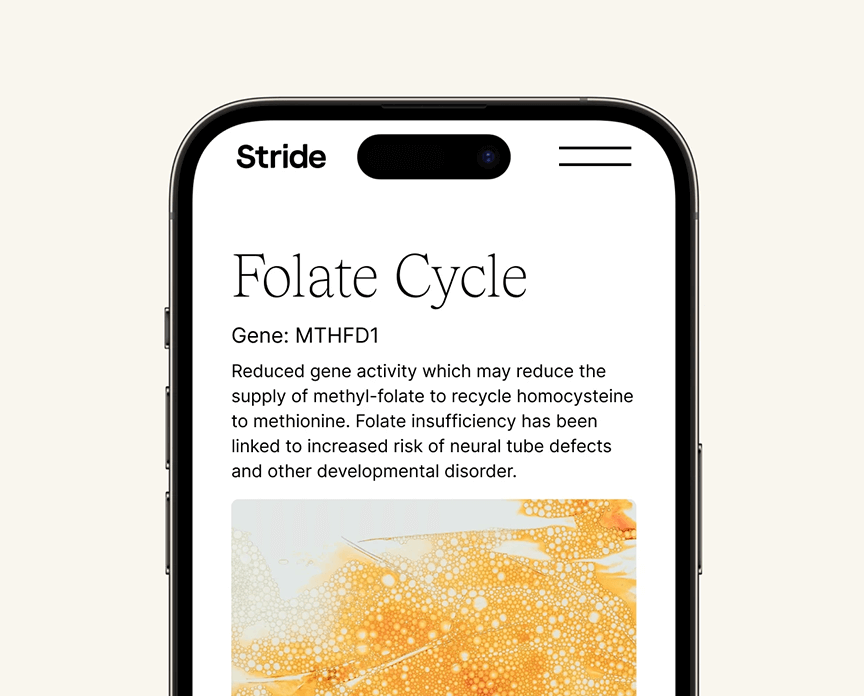
A genetic methylation test looks at inherited variants in pathways such as the folate cycle, methionine cycle, transsulphuration pathway, urea cycle and BH4 cycle. These pathways play a role in how efficiently the body utilises nutrients such as folate, B vitamins, choline, and other compounds involved in methylation, neurotransmitter balance, and detoxification.
Genetic tests explain
-
Which nutrients are more critical for you
-
Where bottlenecks may exist
-
Why certain deficiencies may recur
They do not confirm whether you are currently deficient. Genetics describe capacity, not status.
Step 2: Blood tests that show whether methylation is supported
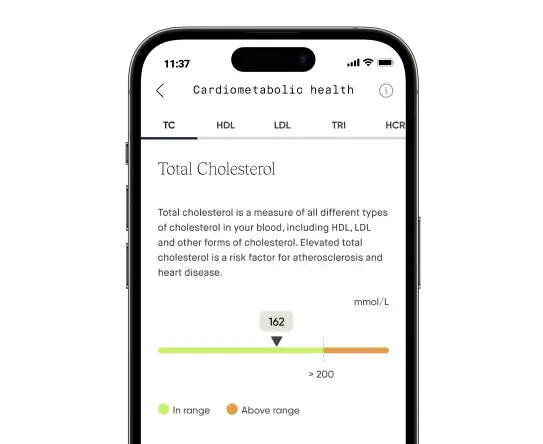
Blood testing is what turns genetic insight into practical decisions.
Key blood markers linked to methylation include:
-
Folate, ideally measured over time
-
Active vitamin B12
-
Homocysteine
-
Vitamin B6
-
Vitamin D
-
Magnesium, zinc, and iron
If these markers are suboptimal, methylation supplements may be appropriate. If they are already high, supplementation may be unnecessary or counterproductive.
Blood testing answers a simple but critical question: Are your methylation pathways actually under-fuelled right now?
Step 3: What are methylation supplements?
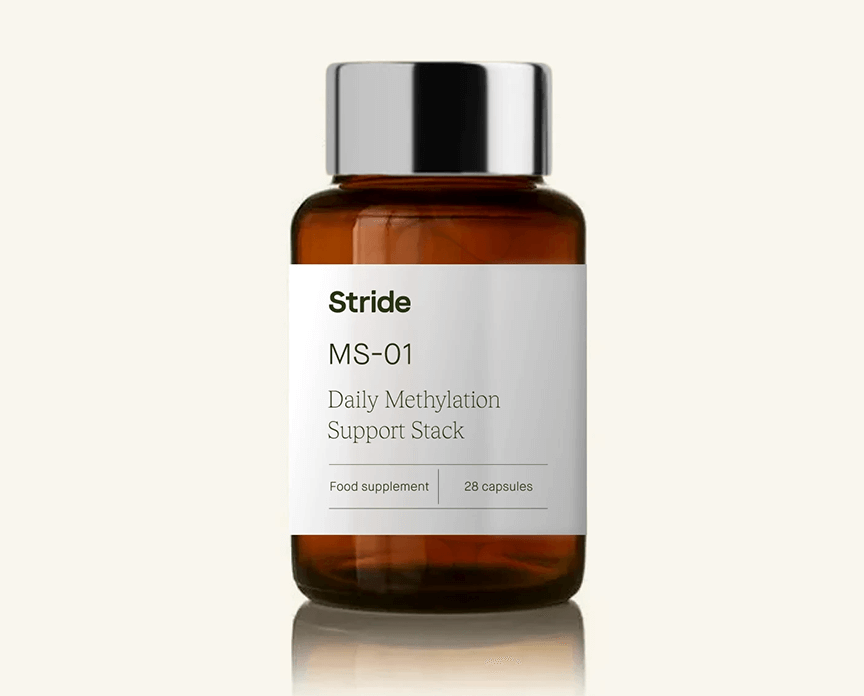
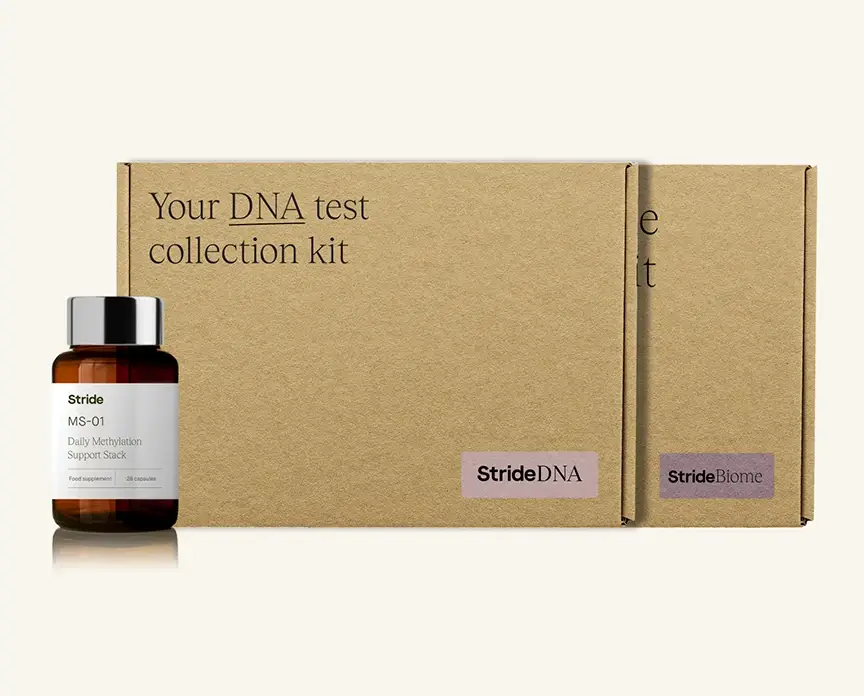
Methylation-supporting supplements are nutrients that either provide methyl groups or help support the enzymes involved in methylation pathways. Some nutrients act as direct or indirect methyl donors, while others function as cofactors that allow these biochemical processes to run efficiently.
Common methylation supplements include:
-
Methylfolate (5-MTHF)
-
Methylated vitamin B12 (methylcobalamin)
-
Vitamin B6
-
Riboflavin (B2)
-
Choline and betaine
-
Magnesium and zinc
These supplements are often bundled together in what is marketed as a methylation supplement or methylation support supplement. The effectiveness depends on whether the underlying need has been confirmed.
When Methylation Supplements Make Sense
Methylation supplements are most useful when:
-
Genetics suggest reduced pathway efficiency
-
Blood tests show low or borderline nutrient levels
-
Homocysteine is elevated
-
Symptoms suggest under-supported methylation, such as fatigue or poor recovery
In these cases, targeted supplementation can help restore balance.
What is a liposomal supplement?
Many people now search for liposomal supplements alongside methylation supplements. A liposomal supplement uses a delivery system where nutrients are wrapped in phospholipid spheres called liposomes.
The goal of liposomal delivery is to:
-
Protect nutrients from digestion
-
Improve absorption
-
Reduce gastrointestinal side effects
Common examples include liposomal B vitamins and liposomal vitamin C.
Are Liposomal Supplements Better?
Liposomal supplements can be beneficial in specific situations, but they are not universally better. They may be helpful when:
-
Absorption is impaired
-
Higher doses are required
-
Digestive tolerance is an issue
They may not be necessary when:
-
Blood levels are already adequate
-
Standard supplements are well tolerated
-
Cost outweighs benefit
The delivery method does not replace the need for correct dosing or proper testing.
A common mistake: Choosing supplements before measuring
A frequent pattern looks like this:
-
Someone learns about methylation online
-
They buy a methylation supplement or liposomal delivery supplement
-
They adjust doses based on symptoms alone
Without blood testing, this approach is guesswork. The same supplement can help one person and hinder another.
The most reliable approach: Dna, blood, then supplements
The most consistent strategy follows a clear order:
-
DNA testing to understand capacity
-
Blood testing to confirm functional need
-
Supplement choice based on both
-
Repeat blood testing to confirm response
This approach applies equally to standard and liposomal supplements.
FAQs on methylation and liposomal supplements
Do methylation supplements work for everyone?
No. They are most effective when blood markers show a functional need.
What is a liposomal supplement?
A supplement delivered in liposomes to improve absorption.
Are liposomal supplements safer?
They are generally safe when appropriately dosed, but higher absorption means dosing matters more.
Can supplements replace blood testing?
No. Supplements change biology. Blood tests confirm whether those changes are beneficial.
The takeaway
Methylation supplements are tools, not defaults. Genetic tests explain capacity. Blood tests confirm the need. Delivery format affects absorption, not suitability.
When these pieces are aligned, supplementation becomes precise rather than experimental.