
Vitamin Supplements
DNA Tests




Are DNA Methylation Tests Worth the Hype?
DNA methylation tests have become one of the most talked-about tools in the biohacker, health optimisation and longevity space. But with all the noise, a fair question keeps coming up in search:
Are DNA methylation tests actually worth it – and are they legit?
This article strips the hype away and answers that question properly: what these tests measure, what they’re genuinely useful for, where they fall short, and how to tell a robust genetic methylation test from a shallow one.
What is a DNA methylation test?
A DNA methylation test looks at genetic variants involved in one-carbon metabolism – a network of biochemical pathways that help your body:
-
Convert nutrients (especially B-vitamins) into usable forms
-
Regulate neurotransmitters and mood
-
Support detoxification pathways
-
Maintain cardiovascular and metabolic health
In simple terms, methylation is the process that helps turn raw nutritional inputs into something your body can actually use. These reactions occur billions of times per second across your cells.
Importantly, most consumer DNA methylation tests assess genetic capacity for methylation – not real-time epigenetic changes. That distinction matters.
Are genetic methylation tests worth it?
Yes – but only when used for the right reasons and in the right way.
A DNA methylation test is most valuable when it helps answer practical questions such as:
-
Do I process folate, B12 and other methyl donors efficiently?
-
Am I genetically prone to elevated homocysteine?
-
Could certain supplements help – or hinder – me?
-
Why do I respond differently to stress, caffeine or alcohol?
Where these tests add real value is personalisation. Two people can eat the same diet, take the same supplements, and still respond very differently due to their genetics.
Where they disappoint is when they’re treated as a silver bullet.
Are methylation tests legit, or just hype?
This is where scepticism is justified.
DNA methylation tests are scientifically legitimate, but their usefulness depends on:
-
Gene coverage (how many relevant genetic variants are analysed)
-
Evidence thresholds (human studies vs theoretical links)
-
Context (are results interpreted alongside nutrition, lifestyle and health goals?)
Tests that focus on only a handful of genes can still be directionally useful, but they risk oversimplifying a complex biological system.
Methylation does not happen in isolation. It interacts with:
-
Nutrient intake
-
Gut health
-
Stress and sleep
-
Exercise load
-
Detoxification pathways
Without that broader context, recommendations can become blunt or misleading.
Why methylation has attracted so much attention
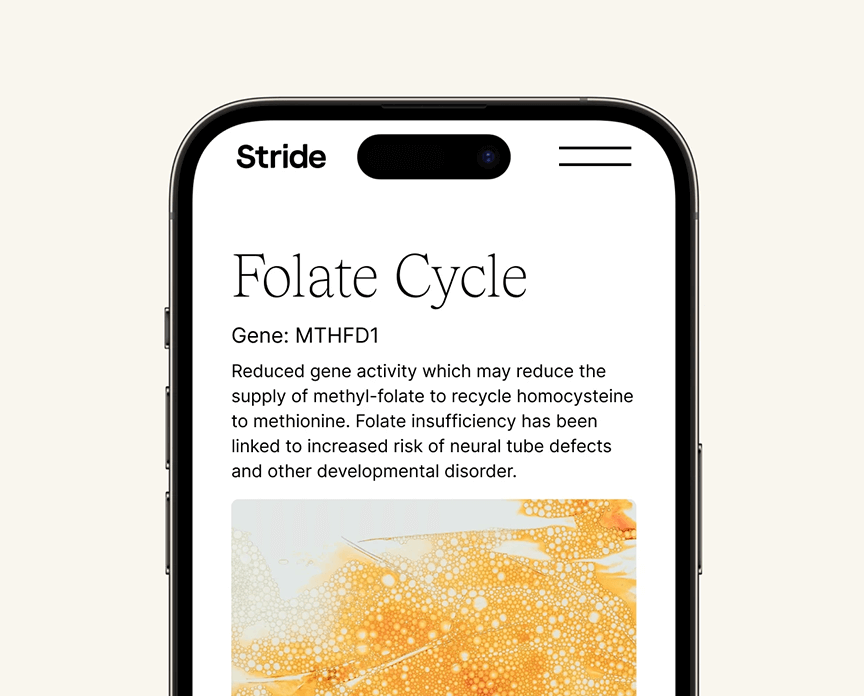
Much of the public interest centres on genes like MTHFR, which influence folate metabolism. Certain variants are common and can affect how efficiently folic acid is converted into methylfolate.
When methylation is impaired, it may contribute to:
-
Elevated homocysteine
-
Poor nutrient utilisation
-
Neurotransmitter imbalance
-
Increased cardiovascular risk
This is why methylation testing is often discussed alongside anxiety, mood, energy levels and long-term health.
But again: genes are risk modifiers, not diagnoses.
What a good DNA methylation test should include
If you’re evaluating whether a genetic methylation test is worth it, look for these fundamentals:
1. Breadth, not just buzzwords
A meaningful test should assess multiple interconnected pathways, not just one or two headline genes.
2. Evidence-based gene selection
Each gene included should have:
-
Human evidence
-
Reproducible findings
-
A clear link to modifiable lifestyle or nutrition choices
3. Actionable interpretation
Results should translate into clear next steps, not generic advice you could find online.
4. Integration with wider health context
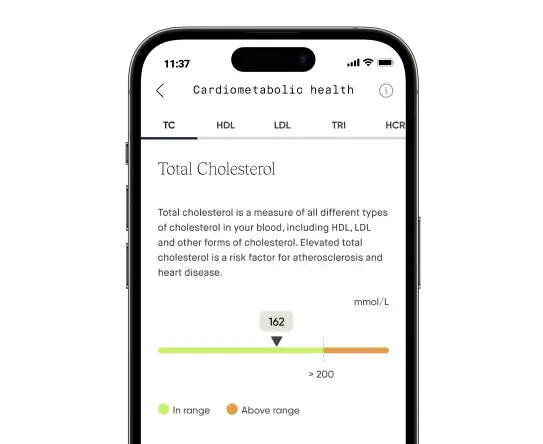
The best insights emerge when methylation data sits alongside nutrition, lifestyle and – where appropriate – gut health or blood markers.
Where StrideDNA fits in
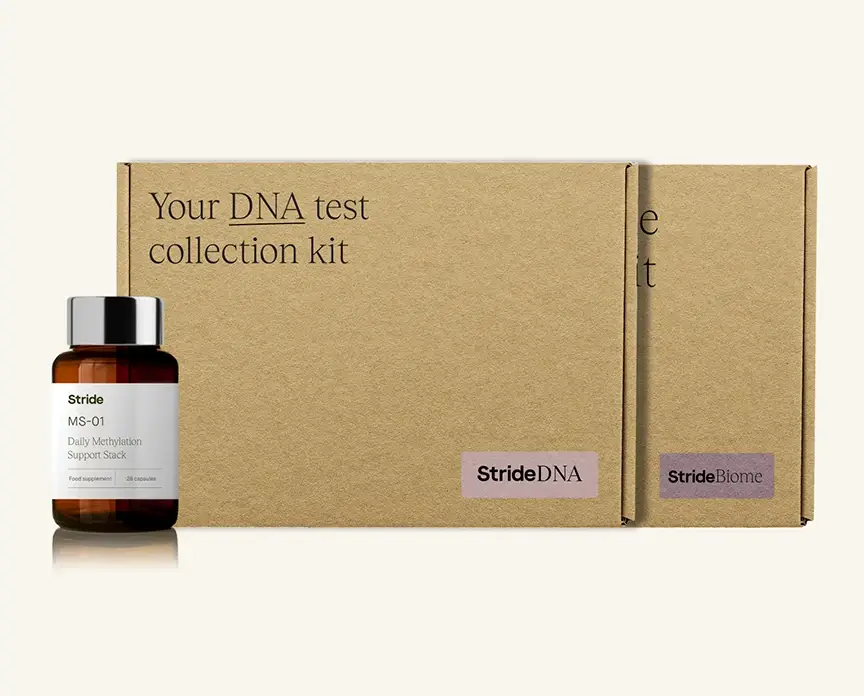
StrideDNA was built around the idea that genetics should inform decisions, not overwhelm people with raw data. Rather than focusing on a narrow slice of methylation biology, StrideDNA analyses:
-
9,000+ genetic locations
-
110+ SNPs across methylation, nutrigenetics, detoxification, mental health, fitness and recovery
Every gene included meets strict evidence criteria and links to practical, modifiable outcomes. Results are delivered through a digital health platform, supported by qualified practitioners, so users understand why something matters and what to do next.
What’s included in Stride DNA methylation reporting
Depending on the bundle selected, methylation reporting covers:
-
Folate cycle
-
Methionine cycle
-
Transsulphuration pathway
-
BH4 cycle
-
Urea cycle
These pathways are then interpreted alongside nutrigenetic insights such as vitamin needs, caffeine response, alcohol metabolism and detoxification capacity.
The goal is not optimisation for its own sake – but clarity.
So, should you get a DNA methylation test?
A DNA methylation test is worth it if you:
-
Want personalised insight into nutrient processing
-
Prefer evidence-based guidance over guesswork
-
Plan to act on the results, not just read them
It’s less useful if you’re expecting a diagnosis, a quick fix, or a substitute for lifestyle fundamentals.
When done properly, methylation testing becomes a decision-making tool – helping you supplement less blindly, train smarter, and understand your own biology with more precision.
Discover your methylation capabilities with StrideDNA.
Explore genetic insights designed to be practical, evidence-led and personalised at getstride.com.
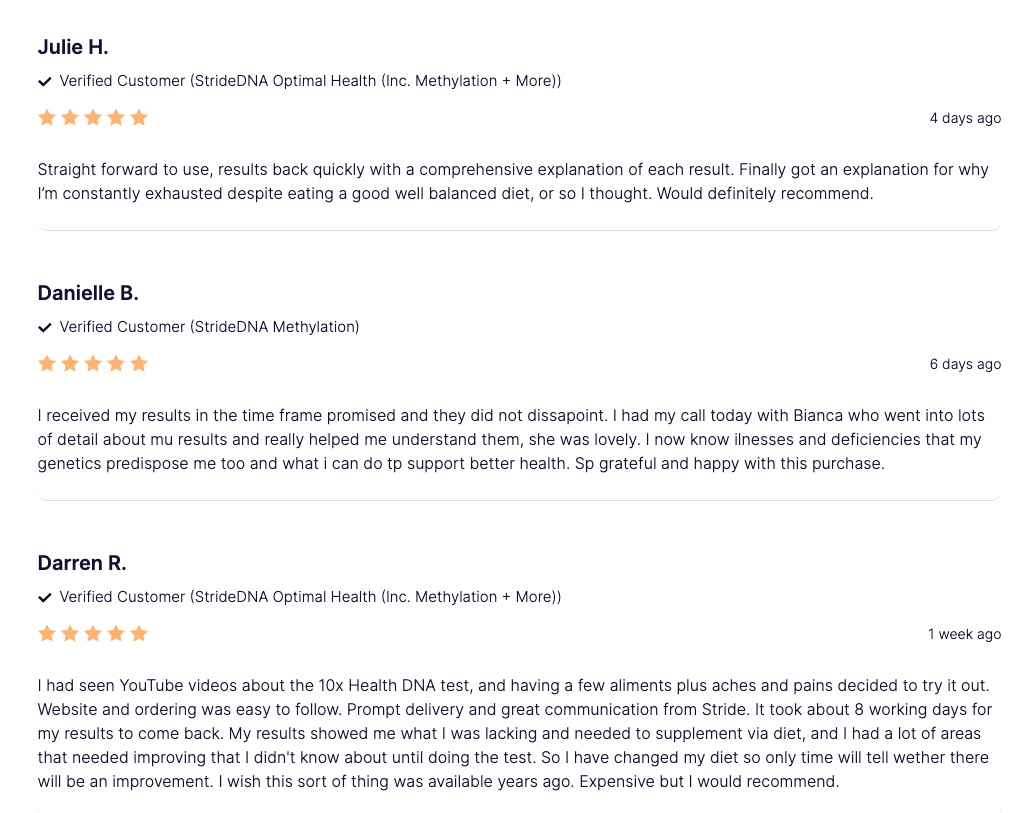
Stride methylation test reviews
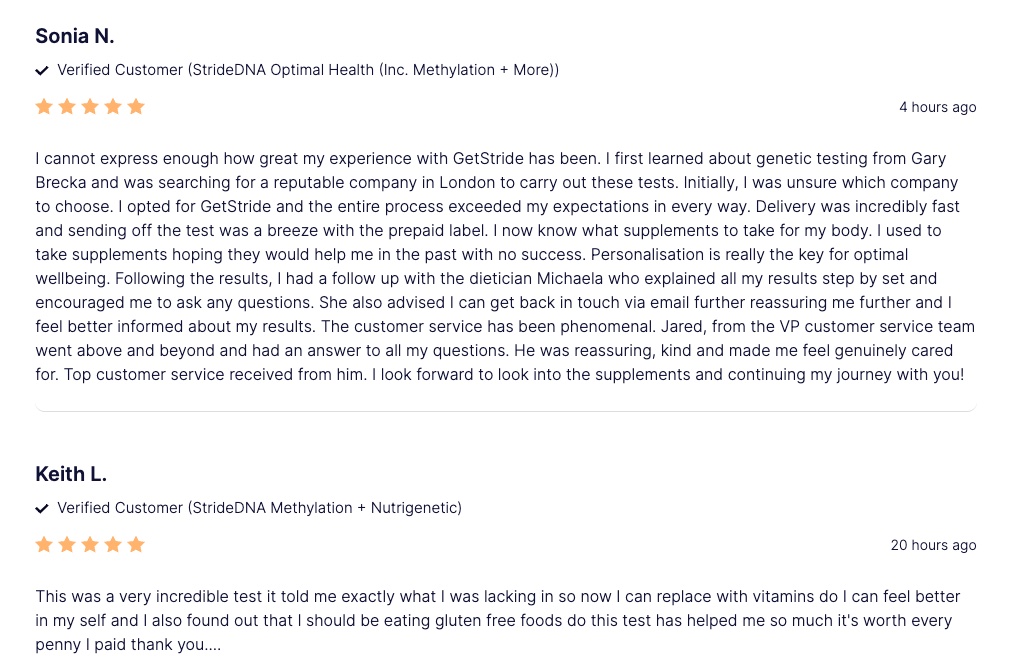
Click here to read more reviews.
Conclusion: Should you get a DNA methylation test?
Stride provides a comprehensive, accurate, and affordable approach to genetic methylation testing. For those looking to gain a deeper understanding of their genetic health and take proactive and personalised steps towards a healthier future, StrideDNA is here for you. Discover your methylation capabilities today with a genetic methylation test StrideDNA. Get started today by visiting getstride.com.